The great retail decoupling
The Australian consumer is in better shape than the mood in most boardrooms suggests, but the gap between retail winners and losers is set to widen.

By Ben Gilbert, Jarden
11 SEPTEMBER 2026 • 4 MIN READ

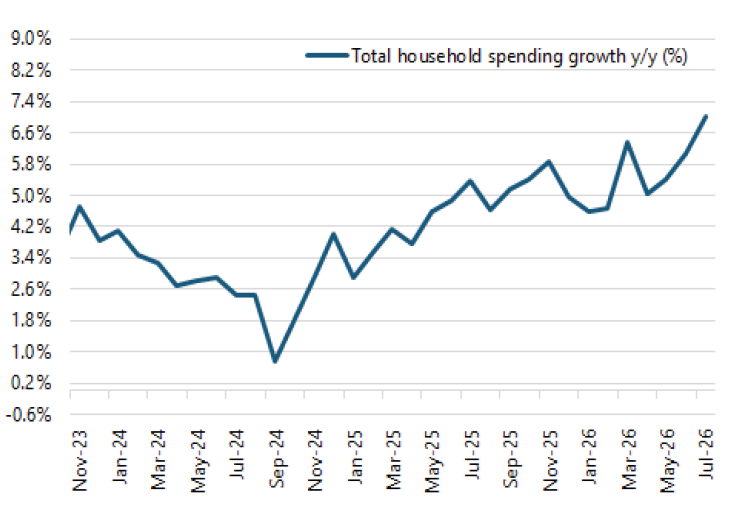
The Australian consumer is in better shape than the mood in most boardrooms suggests; ABS household spending accelerated to c7% year-on-year in July, its strongest pace in over a year, confidence is back to pre-Middle East conflict levels and household deposits are fast approaching $1.8 trillion.
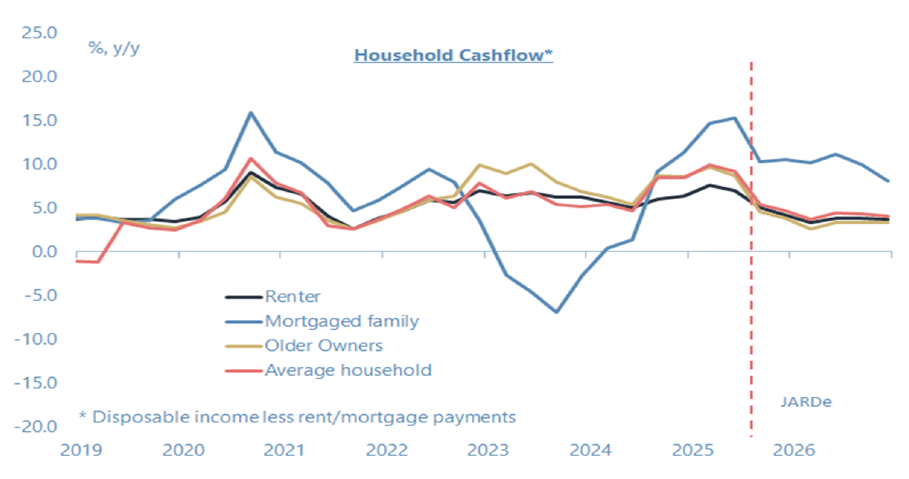
The consumer can and will spend, the question is are retailers giving them a reason to?
This was a key theme through the recent retailer results, whereby the gap between winners and losers grew and those companies that had the right product at the right price and the right time won.
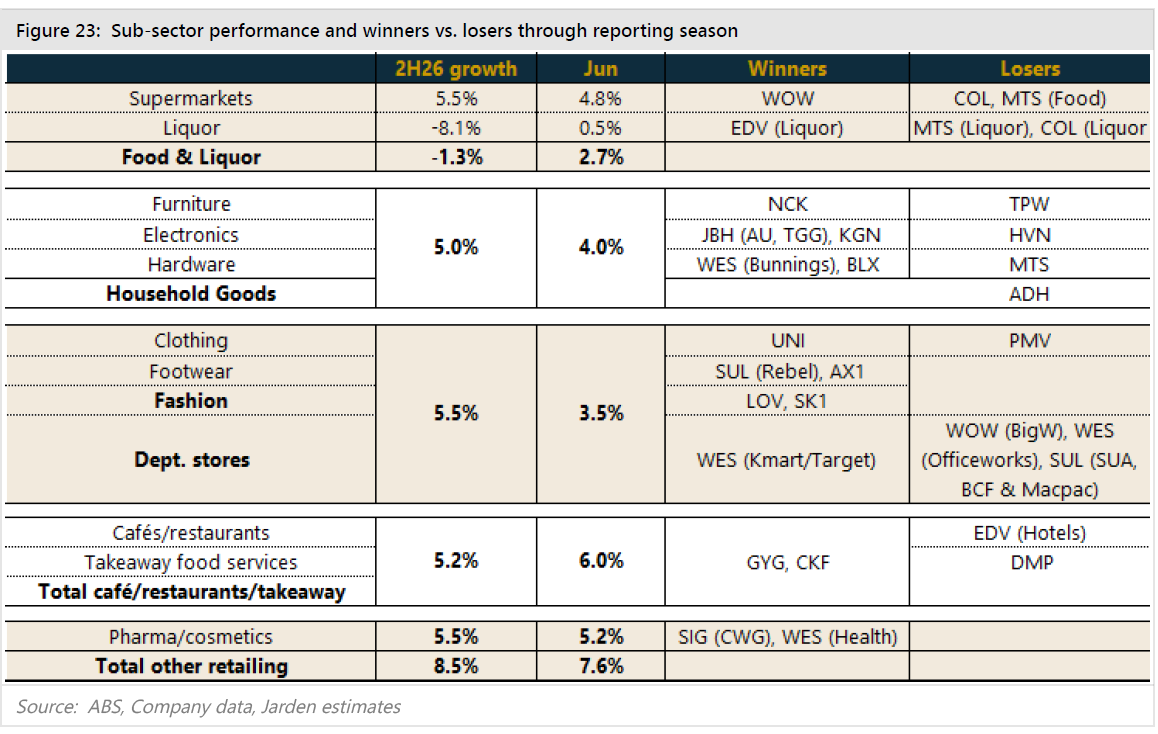
We are seeing this across a raft of categories: In grocery Woolworths Ooshies promotion was a resounding success, with the group recording a 7.6% lift in sales for the first 8wks of FY27, as consumers (or the parents of) responded to a unique, differentiated limited time offer.
In online Amazon continued to positively surprise and delight, further strengthening its delivery promise in August driving both increased order frequency but more significantly lifting customer expectations. We are seeing incumbents respond with the likes of Coles, Woolworths and Super Retail Group accelerating roll-out plans to leverage their competitive advantage and strengthen ultra-fast delivery and click & collect.
Across non-food we saw brands with unique offers targeting specific consumer sub-sets deliver strong results with Universal Stores, Skin Candy and Lovisa all performing well.
Health remains a key growth channel; with GLP-1 sales were up >50% y/y driving strong growth for both Priceline and Chemist Warehouse, while also having positive flow on effects across categories such as vitamins and high-protein products in grocery. On the flip-side, it is having a negative effect on areas such as snacking and liquor, but this also presents opportunities via smaller (often higher margin) pack sizes.
There were some weaker results, with the impact of growing competition, consumers deferring purchases until key sales events and AI prevalent in areas such as electronics, local marketplaces and department stores.
Looking forward there are five themes we are watching into FY27; First, the “macro versus micro” decoupling — strong aggregate spending data continues to suggest the consumer is in a better place than company updates would suggest. We expect FY27 to be a year where companies that get the small things right via product, price and service win – we expect the gap between winners and losers to widen. Second, margin; pressure from freight, the 4.75% minimum wage increase and rising promotional I creates risk around profit margins into FY27. Third, a capex tug-of-war between store expansion and supply chain, where we think the latter matters more given marketplace growth in Australia, and specifically Amazon which we expect to surpass $10b of GMV this year. Fourth, the monetisation of adjacencies — A real opportunity exists for brands to better monetise traffic via partnerships, media and loyalty; Woolworths is best practice locally, with this channel totaling >$300m of profit (EBIT) in FY26. Fifth, AI, the productivity and revenue opportunity are understand, Agentic is the key theme for 2027, it will democratize the store front and brands need to understand how to embrace this.
So how should companies position over the next twelve months? Ignore the temptation to make a macro call and ask three questions: What is your competitive moat? How do you leverage this to grow share of wallet? What productivity / adjacency opportunities exist to lift ROIC? For retailers, that means leaning into, and widening, your moat rather than chasing the cycle — winning on the full value equation of range, price, service and quality, not price alone; building genuine product differentiation rather than renting someone else’s; and monetising data, media and marketplace adjacencies before a competitor — or Amazon — does it for you.
We remain optimistic on the outlook, but expect the market to bifurcate with brands ability to segment and target the customer and grow share of wallet key. The gap between winners and losers will widen.
If you would like to be on Ben’s weekly newsletter reporting weekly spending, traffic and news please contact him through email.
Join the Conversation

Your perspective adds to our story.
Loading comments...
RELATED ARTICLES
share article


Industry-level consequential insights delivered to you. Subscribe.
